Corrective Jaw Surgery – Lebanon, NH
A Healthier Jaw for a Healthier You
Deficiencies in the jaw’s function can lead to a wide range of symptoms, including difficulties with speaking, eating, and chewing. TMJ dysfunction and obstructive sleep apnea are also commonly associated with a jaw that is not working as it should.
What Is Corrective Jaw Surgery?
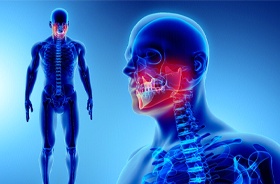
Corrective jaw surgery is also known as orthognathic surgery. These terms describe any surgical procedure whose goal is to correct abnormalities in the jaw’s form and function. It may work alongside orthodontic treatment, such as braces or clear aligners, to achieve optimal results.
How Does the Treatment Work?
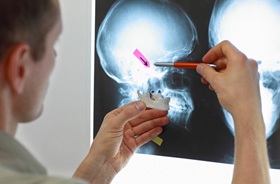
The treatment process starts with a consultation. Our doctors will thoroughly examine your jaw and teeth, get to know more about your symptoms, and order some images. Armed with the data from your consultation, we will begin to plan your surgery. Because orthodontic treatment is often a key to successful jaw surgery, you might have to visit an orthodontist prior to your procedure.
We go above and beyond to ensure that our patients are comfortable during treatments. We even have an on-staff anesthesiologist who can work with our doctor to ensure that you feel nothing throughout your surgery. Following your surgery, it is essential that you follow any postoperative instructions that our team provides. Doing so will make your recovery as easy as possible.
Indications for Corrective Jaw Surgery
Here are some indications that mean you might be a candidate for corrective jaw surgery:
- Difficulty biting or chewing food
- Difficulty swallowing
- Chronic jaw joint (TMJ) pain and headaches
- Excessive wear and tear of the teeth
- An open bite (space between the upper and lower teeth when the mouth is closed)
- An unbalanced facial appearance from the side or front
- Traumatic facial injury
- Birth defects
- Receding chin and lower jaw
- Protruding jaw
- Inability to bring the lips together without straining
- Chronic mouth breathing
- Obstructive sleep apnea (breathing problems during sleep, including snoring)
Benefits of Corrective Jaw Surgery

Corrective jaw surgery may allow you to experience many benefits, including:
- Improved clarity of speech
- Easier chewing
- Improved sleep quality (the surgery may eliminate snoring and obstructive sleep apnea)
- A lowered risk of oral health problems, such as cavities and excess wear and tear on the teeth
- A more attractive facial appearance
- Reduced (or eliminated) pain from TMJ problems
- Heightened confidence
- Fewer headaches
Cost of Corrective Jaw Surgery

The cost of your orthognathic surgery will depend on a few factors, including the nature and extent of your procedure and your insurance. While dental insurance does not cover this type of treatment, your medical insurance might help to reduce your out of pocket costs if the surgery is deemed necessary for your overall health. Our team will be happy to help you explore how your policy applies to your procedure. We can also help you apply for third-party financing if you would like to pay for your surgery over time.
Are you ready to learn more about corrective jaw surgery and how it may help you? Contact Santavicca Dental Professionals today to schedule your consultation.
Corrective Jaw Surgery FAQs
Will My Jaw Be Wired Shut After Corrective Jaw Surgery?
We cannot make any guarantees about your specific case. Generally speaking, though, most modern jaw surgeries do not require the jaw to be wired shut. Rather, we may use elastic bands to keep your jaw in the correct position. With this technique, you should still be able to open your mouth enough to care for oral hygiene, speak, and take in nutrition.
How Long Does It Take to Heal After Corrective Jaw Surgery?
Every patient is different, and there are a few different types of corrective jaw surgery. Our Lebanon, NH, team can provide a rough estimate of your healing timeline based on the details of your case.
Generally, the initial healing period lasts about 6 weeks. Within that timeframe, any soreness and surgery-related fatigue should wear off. The bone should begin to stabilize. Full healing may take up to a year. You should have periodic checkups with us during this time so we can monitor your progress, answer questions, and provide instructions related to your stage of recovery.
What If I Do Not Want Corrective Jaw Surgery?
Some bite abnormalities can be corrected with orthodontic treatment. However, if we recommend jaw surgery for you, you can trust that we truly believe it is the best option. Without it, you may experience ongoing difficulties, such as gum recession, speech problems, chewing challenges, and an abnormal facial profile.
Our team can help you have a realistic view of both the potential pros and cons of corrective jaw surgery. Then, you can make a well-informed decision about how to move forward.
Who Is Not a Candidate for Corrective Jaw Surgery?
Most people who need corrective jaw surgery can safely undergo it. However, there are some contraindications that could prevent you from getting the recommended procedure.
For example, if you are pregnant, we may recommend that you wait until after your initial postpartum period. If you have uncontrolled diabetes, an active bleeding disorder, or smoke heavily, those things could interfere with your ability to heal after surgery.
If you want a jaw procedure but have risk factors that might make it unsafe for you, we will discuss such issues and, if possible, help you develop a plan that will allow you to become a suitable candidate in the future.
How Much Discomfort Is Normal After Corrective Jaw Surgery?
Discomfort usually peaks within 2 – 3 days, and most patients no longer need pain medication after the initial 7 – 10 days. During this period, you should get plenty of rest, consume a liquid diet, and follow other post-op instructions. Your compliance will help you heal and allow you to avoid unnecessary discomfort.
If you experience any unusual symptoms, or you believe your pain level is abnormal, call our team right away. Tell us what is happening, and we will assist you in whatever way we can.