
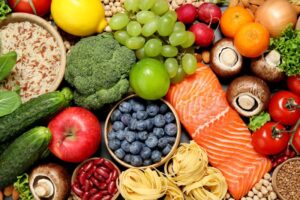
Dental implants are well-known for their strength and stability. You can use them to enjoy virtually any food, including tough and chewy items that are not easy to consume with traditional dentures. However, just because they give you dietary freedom, that does not mean you can be reckless with your eating choices. Just like natural teeth, dental implants are more likely to thrive when you consume nutritious foods. What foods should you focus on? This blog post offers some helpful suggestions.
Calcium-Rich Foods
Calcium is essential for supporting the health of your jawbone, which needs to stay strong in order to support your dental implants. Thankfully, lots of foods are great sources of calcium. Dairy products such as milk, cheese, and yogurt are excellent choices. Leafy greens like kale, broccoli, and spinach also provide substantial amounts of this mineral.
Foods that Contain Vitamin D
Vitamin D helps your body absorb calcium efficiently, which makes it another critical nutrient for dental implant maintenance. Fatty fish such as salmon, sardines, and mackerel are rich in vitamin D. You may also consider fortified foods like certain breakfast cereals and plant-based milks. Spending some time outdoors can help your body produce vitamin D naturally. If necessary, you may choose to take a supplement as well.
Immune System-Supporting Foods
A strong immune system is vital for healing after implant placement and for keeping your mouth healthy in the long term. For example, healthy immune function can reduce your risk of gum disease.
Citrus fruits such as oranges, grapefruits, and lemons provide vitamin C, which is known for its immune-boosting properties. Garlic, ginger, and leafy greens also offer valuable antioxidants and can play important roles in immune function.
Foods to Limit
While dental implants allow you to eat a wide variety of foods, there are some items you should consume in moderation to protect your investment. For example, sticky candies, hard sweets, and overly crunchy snacks can place unnecessary stress on your implants, potentially causing damage. Highly processed foods that are high in sugars and acids may increase the risk of inflammation and gum disease. Alcohol and sugary beverages should also be limited, since they can contribute to oral health issues.
You do not have to be overly restrictive in your eating habits, but remember to exercise moderation and focus on foods that support your oral and overall health. Your good choices will help your dental implants stand the test of time.
Meet the Practice
Our team at Santavicca Dental Professionals is pleased to provide start-to-finish dental implant services in a welcoming environment. If you have questions about this form of tooth replacement and how you can contribute to its long-term success, we would be happy to speak with you. Contact our Lebanon, NH, office at 603-215-7108.